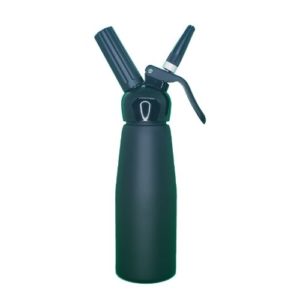
Walk right into any kind of major kitchen throughout an active service and you will see one device within quick reach of the garde manger, bread, and even the hot line: a streamlined, cooled canister fitted with a nozzle. The nitrous whip is not a device, it is facilities. When utilized well, it unlocks rate without sacrificing finesse, and it produces appearances that are virtually difficult to accomplish differently under the unrelenting clock of service.
I turned up in kitchen areas where everything needed to warrant its space, and the nitrous siphon gained its area swiftly. We leaned on it for regular whipped lotion, yes, however additionally for tasty foams that established swiftly, ventilated custards that hung on the pass, and instantaneous mousses that tasted like they took a day. Laughing gas makes this feasible, and when coupled with high‑quality lotion battery chargers and disciplined method, the outcomes are both repeatable and surprisingly nuanced.
What laughing gas really carries out in the siphon
Nitrous oxide, in some cases abbreviated as N2O, is the propellant used to charge the siphon. Helpful resources It liquifies readily right into fat and water, especially in cold atmospheres. When you push the lever, the rapid pressure decline releases tiny bubbles throughout the fluid. Those bubbles create a foam that sets almost promptly, maintained by the fat, healthy proteins, or hydrocolloids in the base.
A few chemistry notes that matter in the kitchen area:
- Solubility and temperature level are linked. Cold bases hold more liquified gas, so the foam arises tighter and more secure. Warm bases generate bigger bubbles and a looser foam, which can be helpful for specific sauces. Nitrous oxide is gently pleasant on the taste buds. It is not sugar, however cups frequently regard a softer sweetness in creams or foams made with it compared to the exact same base blended with air. Pressure produces framework. The siphon can create a finer, more even bubble circulation than mechanical whipping, which counts on shear and includes larger, irregular air pockets.
That is the technological backbone behind the speed and appearance cooks long for. It is additionally why a Nitrous Whip can turn a thin custard into a mousse, or a beetroot purée into a cloud that holds its form on a hot plate.
Speed on the pass, accuracy on the plate
Service speed is not about relocating hysterically. It is about getting rid of rubbing. A charged siphon does that in 3 ways.
First, it defers labor right into prep. You make the base in the afternoon, cool it appropriately, charge the siphon, and stash it chilly. When the orders struck, you are no more whipping, blending, or folding. You are pushing a bar and plating. That converts a two‑minute job right into a two‑second one and conserves hands when you need them most.
Second, it removes several last‑minute variables. Hand‑whipped cream varies wildly depending upon who is whisking, the dish temperature, and timing. A siphon set to the very same charge every single time removes that irregularity. Cooks care about this due to the fact that a quenelle that holds on table 5 might melt on table nine if the structure is inconsistent.
Third, it provides part control. The nozzle produces a regular bow or blob with a predictable volume. That makes setting you back cleaner and reduces waste. In my pastry station days, switching over the pavlova cream from a mixer dish to a siphon cut our difference in lotion use by concerning 12 percent over a month, which is not pocket modification when you go through instances of dairy.
Why appearances from a siphon feel different
You can taste and feel the difference blindfolded. A siphon foam, charged with laughing gas, is smoother on the tongue and breaks down more cleanly than air‑whipped equivalents. The bubble lattice is tighter, the cut is cleaner, and the framework lasts much longer in moderate conditions.
Consider three instances from practice:
- Chantilly cream for a tart. Whisked lotion frequently yields a rustic, billowy texture that looks lovely however can weep on the plate after a few minutes. Siphon chantilly appears satiny, holds its side, and can be flavored with a lighter hand due to the fact that the laughing gas provides a perception of sweetness. Parmesan espuma for a risotto. Folded up foams made with a whisk can really feel hefty. A siphon foam based on a solution of supply, Parmesan, and a small amount of gelatin lands with more lift, which allows the risotto stay the celebrity while still supplying an aromatic punch. Chocolate mousse made on the fly. Traditional mousse needs time for oygenation and setup. A siphon can take a custard base maintained with a little jelly and create a mousse that layers beautifully in secs, with an appearance between traditional French mousse and crème légère.
These end results are not tricks. They reflect just how gas under stress connects with fat and healthy protein networks. If you respect the underlying physics, you can construct textures that are both striking and stable.
The situation for a quality whip and reputable lotion chargers
Tools matter. A durable nitrous whip with well‑machined threads and a durable gasket saves you from leaks, irregular pressure, and headaches during solution. More affordable bodies bend, valves stick, and strings misalign with use. That is not only frustrating, it is unsafe.
Cream chargers are the various other half of the formula. Uniformity in nitrous oxide pureness and fill weight converts straight into uniformity on the plate. Subpar battery chargers can consist of oils or wetness, which produce off scents or destabilize foams. I have actually tested whole lots side-by-side. The reliable cartridges produce a clean hiss when puncturing, no visible residue at the nozzle, and repeatable results charge after fee. If a supplier can not give documented purity requirements, keep looking.
Brands market aggressively in this area, and it can seem like noise. Look instead for a provider that ships with batch traceability and has a credibility among working chefs. Many kitchens maintain a mix of sizes available, from basic 8‑gram cream battery chargers to larger layouts for high‑volume preparation. The larger sizes decrease transition time, which deserves it during optimal service. Whether you state NitrousWhip as a brand or nitrous whip as a classification, the logic coincides: high quality inputs generate clean foams.
Techniques that divide a satisfactory foam from an excellent one
You can deliver an acceptable foam with a suitable base and one charger. Terrific takes craft. These practices are non‑negotiable in my kitchen.
- Chill everything. The base, the cylinder, and preferably the nozzle too. I go for the base at 2 to 4 ° C. A warm siphon robs you of solubility and stability. Strain the base via a fine chinois. Any kind of particulate will clog the nozzle or interfere with great bubbles. Also smooth purées hide fibrous strands that create weak points in the foam. Charge, shake, remainder. Two costs for a one‑liter cylinder is my baseline for thicker lotions or custards, one fee for lighter solutions. After charging, hold the container horizontal and tremble delicately, then allow it rest a couple of minutes to equilibrate. Test and change. The first press is an examination onto a chilly spoon. If the foam is also loosened, drink again or include one more battery charger. If it extrudes also stiffly, your base is as well thick or also chilly, not a pressure problem. Hold at the correct temperature level. Cold foams stay in the reduced refrigerator. Cozy foams being in a water bath, generally 55 to 60 ° C, never ever greater unless the stabilizer can take the heat. Bear in mind that warmth expands gas, so warm foams arise faster and really feel lighter.
That is one checklist. It earns its area because the steps are concrete, and missing any of them can unravel a service.
Building bases that play well with pressure
The siphon is not magic. The base identifies the outcome. Design it with framework and flavor in mind, and recognize which stabilizers behave under pressure.
Dairy foams are one of the most flexible since fat and milk healthy proteins create stable films around bubbles. Sweetened lotion, crème anglaise, mascarpone blends, and crème fraîche all respond well. Maintain fat in between about 28 and 38 percent for a lot of applications. Go lower for very light espumas, greater for dollop‑style creams.
Egg based custards can produce gorgeous foams given you stress them and maintain with a touch of gelatin or agar. Way too much hydrocolloid produces a rubbery foam that tears when it lands on a plate. I favor 0.3 to 0.6 percent jelly by weight for treats, a touch greater for cozy tasty foams.
Vegetable purées call for more self-control. You need a smoother purée than you would certainly for a layered quenelle, and you generally require a stabilizer to make up for limited fat. A tiny percent of xanthan periodontal, commonly 0.1 to 0.2 percent, can assist, as can bleed powder in dairy‑friendly contexts. Emulsified fats like brown butter or olive oil can develop abundant foams, however they require remarkable straining.
Chocolate foams are a world of their very own. Cocoa butter contributes structure, however heat management is important. As well warm and you damage the emulsion inside the container, creating oily streaks at the nozzle. I cool down the base to fridge temperature level and normally release 2 fees for a liter, after that hold chilly up until service.
Stocks and jus can be lathered, but they need ingredients due to the fact that their healthy protein web content is low. Lecithin can develop light froths externally, yet those are transient. If you desire a long-term sauce‑foam, integrate milk, gelatin, or starch and think of it as a velouté‑based espuma as opposed to a pure supply foam.
Savory applications that earn their keep
If nitrous whips lived only in pastry, half the tale would be missing. Mouthwatering stations use siphons to resolve concrete troubles: speed on warmers, textural comparison, and tidy taste delivery.
A parmesan foam over roasted mushrooms seems basic. The sensible win is that it supplies big umami with much less salt, and it come down on the plate cozy, light, and fast. We constructed a base with milk, lotion, grated aged Parmesan, a little jelly, and a high with toasted peppercorns. Pressure, chill, fee, and maintain in a 60 ° C bathroom. Throughout service it changed a whipping cream reduction that made use of to break on us late in the night.
A pea espuma brings springtime to a plate without stacking purée under every little thing. Blanched peas, a little step of lotion, a little butter, and a supported stock offer you an electrical green foam that sits nicely on fish or lamb. The technique is paling hard and chilling fast to protect shade, then straining more than you believe you need to.
Garlic aioli whipped in a siphon provides a lace‑thin, super‑even line for garnishing. Proper emulsion in the base is important. If the solution is damaged going into the siphon, pressure will certainly not repair it. Done right, you obtain the flavor of aioli with a lighter hand, freeing the primary aspect to stay crisp.
Pastry standards, updated without gimmicks
Dessert is where a Nitrous Whip wins hearts. Not because it replaces strategy, but since it lets you carry out with restriction at speed.
We offered a citrus bavarois as a mousse in the siphon for a pop‑up where space and time were restricted. The base was a classic anglaise with jelly and yuzu juice folded right into whipped cream. We adapted it by enhancing the jelly slightly and blending rather than folding, then billing and chilling. The result layered with the precision of a molded treat and the agility of a sabayon, all while offering us a loads plates in a minute.
Chantilly infused with toasted vanilla vessels and a touch of crème fraîche had a tidy, virtually perfumed surface when siphoned. Contrast that to a mixer bowl that gets ambient aromas and warms in between plates, specifically on a tiny bread station.
Even traditionalists warm to the siphon when they taste a warm chocolate espuma over stout cake. It checks out like fond memories on the menu yet consumes with skill. Construct the base like a light ganache with milk, cocoa, and a controlled quantity of jelly. Hold in a bain‑marie, and the foam lands with a cacao scent that grows as it hits the cozy cake.
Safety, obligation, and kitchen culture
Nitrous oxide is a food‑grade gas, yet it demands respect. Kitchens that treat it delicately welcome troubles. The cylinder is pressurized. The cartridges are cold when punctured. A couple of concepts maintain you secure and professional.
Store battery chargers completely dry and at area temperature level. Never ever warm a canister on direct fire. If you require a cozy foam, utilize a controlled water bathroom. Examine gaskets on a regular basis. Change any type of that break or squash. If a nozzle clogs, do not require it. Depressurize securely, then take apart and clean.
One a lot more fact is worthy of ordinary words. Nitro cartridges have non‑culinary uses that do not belong in a cooking area. Develop a culture that keeps food tools for food. Access to battery chargers stays with team at work, and waste enters into a locked container. This is about safety and security, validity, and respect for the craft.
Troubleshooting the issues you will in fact encounter
Most troubles are foreseeable if you know the failure modes.
Leaking ahead generally comes from a cross‑threaded top or a used gasket. Back off, realign, hand‑tighten with care. Do not wrench a misaligned head into location. If the leak continues, change the gasket. Maintain spares in the drawer.
Watery foam shows either an undercharged siphon or an unsteady base. Shake carefully and attempt one more press. If the structure is still thin, your base needs extra fat, protein, or stabilizer. For milk creams, a pinch a lot more confectioners' sugar can assist since its starch element binds some totally free water.
Bitter or metal notes often trace back to poor‑quality cream battery chargers or infected canisters. Strip the siphon, tidy with hot water and a mild cleaning agent, rinse thoroughly, and completely dry. Switch to a fresh box of battery chargers from a dependable lot. Food‑grade Laughing Gas should not add off tastes. If it does, doubt the supply.
Clogged nozzles normally indicate insufficient stressing or bases with fibrous active ingredients. Take apart, get rid of the obstruction, and strain the base once again through a super‑fine filter. For relentless cloggers like asparagus or artichoke purées, accept that a siphon might not be the best tool unless you travel through a really great filter press or transform the recipe.

Over tight cream looks rather up until it fractures on home plate. This can originate from overcharging or bases that are as well chilly and fatty. Hold the container at refrigerator temperature, not in the freezer, and reduce the number of chargers. A little milk in the base can soften the structure.
Cost, waste, and a quiet sustainability win
Cream battery chargers are a consumable, and the mathematics issues. You will certainly melt through an unusual number in a high‑volume restaurant. Yet the general price picture usually nets out positive when you consider labor and waste reduction.
With whipped lotion, waste decreases due to the fact that you are not scratching the sides of mixer bowls and tossing out over‑whipped batches. Part control avoids the extra dollop that adds up across 150 covers. Prep time changes previously in the day when labor is much less constrained. Those efficiencies are practical, not academic. In one restaurant I helped recondition, moving three sauces and 2 lotions to siphons recovered roughly four labor hours per hectic evening and lowered dairy waste by a third.
Recycling is non‑negotiable. Used chargers are steel. Many municipalities accept them if they are completely cleared. Gather them in a specialized container and include them to your recycling stream. Some vendors even supply take‑back programs. It is a little step but it adds up, specifically for operations that make use of situations of battery chargers each week.
Menu layout with the siphon in mind
The nitrous whip is not only a back‑of‑house device. It shapes the means you think about meals. When you can release a warm espuma in secs, you can pay for to design a plate that needs a last‑minute lift. As soon as you can guarantee a steady quenelle‑like blob on a tart, you can plate tighter without hedging for sagging cream.
Ask three concerns when developing with a siphon.
Does this foam boost the main aspect, or does it distract? If the dish already has a vulnerable crisp or a delicate broth, a heavy foam will bulldoze it. Aim for comparison without stealing the scene.
Is the base robust enough for solution? A best foam that damages after six minutes is an obligation. Check the base at the temperature level it will certainly be utilized and observe exactly how it behaves over 10 to 20 minutes. If it weeps, change or choose one more technique.
Can the very same impact be achieved a lot more just? The siphon is engaging, however not every component requires to be aerated. If a spoon‑napped sauce or a hand‑whipped lotion offers the dish better, choose it. Kitchen area maturity is recognizing when not to utilize a trendy tool.
A short, sensible regimen for a silky vanilla chantilly
If you are new to siphons, begin with a timeless. This chantilly strikes the pleasant place of quick, stable, and versatile.
- Combine 900 g whipping cream, 80 to 120 g confectioners' sugar to preference, a pinch of fine salt, and the seeds of one plump vanilla case. Whisk briefly to liquify the sugar. Strain with a great chinois. Chill the base to 2 to 4 ° C, after that pour into a one‑liter nitrous whip. Fee with one cream battery charger, drink flat 10 gentle strokes, then add a second charger and repeat. Rest the cylinder 5 mins in the refrigerator, after that test a vanity press. Readjust sweetness or tightness in the next batch if needed.
This yields a lotion that pipes easily, holds on fruit, and withstands crying. Once you taste the mouthfeel, you understand why many pastry chefs rarely go back to hand whipping for service.
Where Nitrous Whip fits in a professional kitchen area's rhythm
Chefs enjoy the nitrous whip due to the fact that it fits the pace. It supports mise en location by permitting you to prep bases early. It sustains service by supplying structures that look composed and taste fresh. It sustains consistency by decoupling essential steps from the variability of human labor at peak stress.
None of this reasons sloppy technique. The siphon awards self-control. It magnifies your understanding of emulsions, solubility, and stabilizers. With a thoughtful strategy, it becomes an accuracy tool, not a crutch.
When young cooks join my team, I hand them the siphon only after they can make an appropriate anglaise, a secure emulsion, and a smooth purée. After that I reveal them how Nitrous Oxide transforms those structures. The lesson lands because the device honors classic strategy while expanding what is practical under pressure.
Nitrous Whip has made its place in the modern-day kitchen for three easy factors: it is quickly, it creates structures that check out as refined, and it makes excellence repeatable. If you appreciate the chemistry, buy reliable lotion battery chargers, and build wise bases, the payoffs turn up on the plate and in the rate of your solution. That is why chefs grab it night after night, except show, but for results.