There is a moment in a correct pour-over when the coffee blooms and the aroma takes off the bed like a small weather condition system. You can tell, best after that, if the beans traveled well and whether the roast day has any kind of quality entrusted to provide. Refining that minute at home hinges on a quiet, unglamorous choice long before the pot hisses: where you obtain your beans and how they show up on your front door. The most effective coffee beans delivery services do not simply deliver coffee. They resolve for time, range, and nuance. They let you fine-tune the variables that matter for pour-over developing, from roast account to bean thickness to delivering speed. They turn a phone screen into a reliable resource of consistently excellent cups.
This is an exploration of just how to select Coffee Beans Delivery that actually matches pour-over objectives, which services are doing it right, and just how to adjust your developing to the beans you get. In the process, I'll share the small modifications that have made my Kalita and V60 sing with beans from the Andes to Yirgacheffe.
Why pour-over needs precision before you even steam water
Pour-over incentives precision because everything is exposed. A paper filter, a cone, gravity, and warm water. Nothing masks stodginess or inadequate roast matching. For immersion approaches or coffee, dose and pressure can occasionally cover a bean that's a week previous prime. With pour-over, a day or more can be the difference in between a great smelling bloom and a level bed.
Two pressures control whether Coffee Beans Delivered will feel to life in the brewer: the toasting timeline and the clearness of the roast account. For pour-over, I focus on beans baked within the last 2 to 2 week. That home window gives adequate time to de-gas but not a lot that aromatics dissipate. Selection matters too. Washed Ethiopians, high-elevation Colombians, intense Kenyan great deals, and well balanced Central Americans have a tendency to shine. All-natural procedure coffees can be magic, however they demand more stringent control of grind and temperature level to stay clear of a muddy cup.
The best Coffee Beans Delivery alternatives comprehend these realities. They roast to buy or near to it, package with shutoffs that actually work, and ship rapidly sufficient that you get beans while they're still within that perfect curve. Anything else is a lottery game ticket.
What "best" really indicates for pour-over
"Best Coffee Beans Delivery" is sprayed freely, however pour-over sets bench in concrete terms. Below is the list I use when reviewing a solution's suitability for everyday V60s and Kalitas.
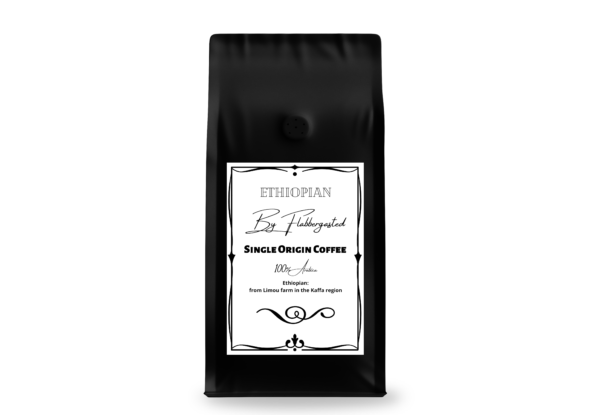
Freshness and roast day openness. If a roaster conceals the roast day or utilizes a "finest by" window, proceed. For pour-over, I desire the roast date printed, clear, and current. A good service ships within 24 to 72 hours of roasting.
Profiles fit to filter brewing. Search for filter roasts or light to light-medium roasts clearly created for drip or pour-over. Some roasters label their profiles as "filter" vs "coffee," which conserves uncertainty. Acquire the filter roast unless you have a details reason to adapt.

Shipping rate and dependability. 2 to 5 days en route is sensible for residential orders. Faster is much better if you live farther from sea level and your environment is completely dry. If your shipment takes a week consistently, you'll brew at the tail end of the top flavor window.
Data on origin and handling. This is where the delight lives. Elevation ranges, refining notes, ranges, and harvest dates assist forecast work and water changes. A 1,950 meter cleaned Ethiopian behaves in a different way than a 1,200 meter honey procedure Costa Rican. Excellent solutions tell you this up front.
Flexibility and curation. Registrations ought to allow you fine-tune frequency, work preference, and roast degree. If they offer curated flights or single-farm spotlights, even much better. Those trips will develop your taste buds in a month more than a year of grabbing random bags from the grocery bin.
The solutions that maintain my pour-over honest
I turn in between a couple of delivery choices to keep my brewing grounded, and every one makes its location by doing something remarkably well. None are excellent. All are trusted sufficient to bet an early morning on.
Local roasters with national delivery. The unhonored heroes. A handful of city roasters roast 3 days a week and ship very same day, occasionally with a roast-to-ship time under 12 hours. If you have a favorite roaster within 500 miles, chances are their Coffee Beans Delivery will defeat any intermediary on freshness. I have actually had standout shipments from single-roaster registrations that show up on a two-day cycle, landing on my deck 3 to 5 days off roast, which is prime for pour-over flower. The compromise is less selection and a learning contour while you adjust to their home style.
Multi-roaster marketplaces with curation. These services partner with loads of roasters and match you to beans based on mixture method, taste notes, and roast degree. When they work, they are a depository. I've had Ethiopian lots from 2 different roasters arrive the exact same month, both within a week of roast, and the contrast honed my hand. The catch is shipping can include a day or two because the market works with several storage facilities. If they highlight "filter roast" options and show roast days, they deserve using for selection alone.
Direct-trade micro roasters. The store end of the spectrum. They import little whole lots, frequently from a single farm or community, and roast with unusual care. These distributions tend to be more expensive, and some roast only one or two times a week, that makes timing more difficult. However if you desire a specific Kenyan AB that sings at 203 Fahrenheit with a slightly coarser grind, this is how you find it. Maintain a schedule and plan orders so you obtain beans 3 to 10 days after roast.
Regional grocery store partnerships that deliver. Not all grocery-adjacent beans are stale. In the last few years, some high-end grocery stores partnered with high quality roasters to provide roast-to-order bags. It's hit-or-miss, and you require to confirm roast days, but when it hits, you obtain bulk delivery rates with specialized top quality. If you make a lot of pour-over and want to maintain prices modest without going down high quality below specialized, this lane can be a good value.
Specialty decaf registrations. Decaf for pour-over gets ignored, which is a shame. Mountain Water Refine and Swiss Water Process single-origin decafs can be luminescent with filter brewing. A few decaf-forward registrations ship fresh, clearly identified decaf whole lots that handle pour-over beautifully at somewhat higher temperatures. If you desire a late mid-day mug that does not sand your nerves, maintain a bag on rotation.
Matching origin and process to your pour-over style
The pour-over method you utilize behaves like a character filter. A V60 with a slim paper and sharp cone highlights quality and level of acidity. A Kalita Wave, with its level bed and wavy filter, softens the attack, highlights sweetness, and forgives little mistakes. The Origami dripper rests in between both, after that leans one means or the other relying on the filter choice.
Certain origins and procedures balance with those tendencies. Cleaned Ethiopian coffees usually shine in a V60. The cone height and thinner filter equate flower aromatics and citrus shimmer right into an organized cup. Grind a touch finer than you would for a cleaned Colombian, and try water at 200 to 203 Fahrenheit to take out the high notes without pushing right into acidity. If you locate the level of acidity a little bit tough, switch to a thicker filter or a Kalita Wave to tame the edges.
Kenyan SL selections, specifically AA and abdominal qualities, gain from a little temperature level technique and a stable, center-focused pour. They commonly taste best when you appreciate their thickness. If your distribution lists elevation over 1,800 meters and mentions SL28 or SL34, anticipate a tighter grind array and a longer bloom, 45 to one minute with 2 grams of water per gram of coffee for the bloom phase. These coffees can go from bright to sharp quickly if you grind also fine.
Central American coffees, especially cleaned Guatemalans and honey process Costa Ricans, provide a well balanced path. If you're dialing in a brand-new Coffee Beans Delivery service and desire a baseline, a Huehuetenango or Tarrazu filter roast makes an exceptional calibration bag. I change put rates very first with these before touching the work, because they respond certainly to flow.
Natural procedure coffees need sincerity from the roaster. If a delivery service clearly identifies an all-natural as "clean" or "funk-forward," believe them. Clean naturals can be lovely on pour-over, yet my V60 tends to extract lighter fruit and a gentle tea-like body once I coarsen the grind half a notch and reduced the water temperature level by 2 to 3 degrees Fahrenheit. Funk-forward naturals are best on a flat-bottom dripper with a mindful pulse put to stop fines migration and over-extraction in the last third of the brew.
Shipping rate, storage space, and the genuine freshness curve
Roast day is not the goal; it's the beginning of a curve. What issues is just how that curve converges your cooking area. A bag roasted on Monday, shipped Tuesday, and received Friday arrives at day four. If you begin brewing Saturday and end up the bag by day 17, you'll see a mild arc with the sweet place between days 6 and 12 for numerous filter roasts. If your environment is really dry or your beans are extremely thick, the optimal might prolong a bit much longer. If moisture is high, the mug can flatten sooner.
If your Coffee Beans Delivered consistently get here after day 10, the cup might still be pleasurable, however you'll shed a layer of aromatics. You have two alternatives. Change services or plan your orders so they mail the day after toasting and utilize much faster delivery. The middle ground is to order smaller sized bags more frequently. A 250 gram bag will certainly vanish in five to 8 days if you make daily for a couple of people. That lines up well with the best window for pour-over.
Once the bag remains in your hands, maintain it secured with a one-way valve bag, store in a cool cabinet, and avoid the fridge. If your kitchen area bakes in afternoon sunlight or you brew gradually, a tiny, closed canister with a shutoff helps. Cold can work for long-term storage space, but it complicates your routine. If you go that route, freeze in tiny, recipe-sized sections and grind straight from adhered avoid dampness condensation on the beans.
Grind and water: how shipment top quality shows up in the cup
A high-grade delivery provides you beans that react predictably to modifications. When the beans are fresh and the roast is called, a one-click change on a hand grinder will certainly be audible in the preference. If the beans are old or roasted inadequately, you'll go after taste and the coffee won't listen.
My baseline for a 15 to 1 proportion on a V60 with a 21 gram dosage starts at a medium-fine grind with a mixture time of 2:45 to 3:15. I gather 3 to four pulses, never ever letting the bed run completely dry until the last drawdown. With a Kalita, I coarsen the work somewhat and expand the complete brew time by 15 to 30 seconds. Water temperature lives between 198 and 203 Fahrenheit depending upon the coffee's density and processing.
Light roasts normally need a lot more energy. If your new Coffee Beans Delivery is a Nordic-leaning light filter roast, do not hesitate to visit 203 or perhaps 205 Fahrenheit, after that shorten the flower to 30 to 40 seconds to keep the framework taut. If the cup is slim, either tighten the work a hair or lengthen the call time by reducing your 2nd and 3rd pours. If it's sharp, back the temperature down two levels and aim for a slightly coarser setting.
With natural procedure coffees, I like to pour gently and avoid hostile agitation in the first fifty percent of the brew. The grounds have much more fine fragments, and disturbance can press the brew right into astringent region in the last third. If your solution sends naturals consistently and you enjoy them, think about a flat-bottom dripper, which evens out the bed and lowers directing risk.
How to check out an item page like an experienced barista
A delivery solution's item page is a map. The method lies in knowing which landmarks issue. I review them in this order.
Roast date policy. Do they roast to order, or on set days? Do they publish the roast date? If they evade the topic, you'll combat the mug later.
Processing and beginning. Cleaned, all-natural, honey. Nation, area, elevation, and also range if readily available. If a bag's elevation sits over 1,800 meters and the roast is light, I expect more grind sensitivity and prepare a tighter temperature band.
Tasting notes. Treat them as state of mind boards, not warranties. "Black tea, bergamot, lemon" usually signifies washed Ethiopian. "Berry jam, cocoa nibs" might hint at a natural Central. The valuable part is the balance of illumination to sweet taste implied by the selected notes.
Brew technique support. If the roaster provides a filter recipe, I try it as soon as. It gives insight right into their growth and designated extraction. After that, I adjust to my gear and water.
Shipping specifics. Look for specifics like "ships within two days of roast" and transportation time quotes. If you're on the coastlines and they remain in the center of the country, two to 4 days is feasible. If you're off the mainland or country, intend your schedule with more buffer.
Water matters more than the majority of shipment services admit
You can purchase remarkable beans and still get a dull mug if your water is off. Many city tap water swings hugely, and bottled water isn't an ensured fix. For pour-over, aim for modest firmness with calcium and some magnesium to carry flavor. Total firmness around 50 to 80 ppm as CaCO3 and alkalinity around 30 to 50 ppm can generate clarity without violence. If your shipment service points out "developed for filter," they presume you're within that ballpark.
If your cups taste hollow or sharp, evaluate your water. When I take a trip, I lug a tiny pack of minerals to deal with a fifty percent gallon at a time. With a steady water base, a fresh bag from a relied on Coffee Beans Delivery source will appear intense and clean with marginal fuss.
The economics of quality delivered coffee
Delivery includes a fee layer. The goal is to invest cash where it improves the mug, not where it cushions expenses. If you brew one pour-over a day, a 250 gram bag expenses, usually, between 16 and 28 bucks for specialized roasters, plus delivery unless you fulfill a threshold. That translates to about 1 to 2 bucks per cup. Multi-roaster subscriptions rest somewhat greater but use selection. Neighborhood roasters typically land reduced as a result of much shorter shipping ranges and fewer middle steps.
Shipping frequency is the concealed bar. Weekly shipments optimize quality but inflate shipping prices. Every two weeks usually lines up with the quality contour and cost, specifically if you make for 2 individuals. If you require extra volume with manageable delivery overhead, a 1 kilogram bag can be budget-friendly if you freeze in small sections and thaw tactically. I only advise this if you fit with icy storage space regimens, as mistakes will certainly erase any kind of savings by flattening the cup.
Two reputable delivery archetypes for pour-over drinkers
If you're standing beside selection paralysis, below are two structured paths that have actually helped me and for home makers I've coached.
- The single-roaster rhythm: Pick one roaster known for light to light-medium filter roasts, established a biweekly subscription, and demand washed Central American and Eastern African coffees alternating. Maintain the same mixture gear and water for a month, after that swap in a natural procedure once you really feel secured. This constructs a constant standard, and your taste buds will develop quickly since you're controlling variables. The curated traveler: Utilize a multi-roaster solution that allows you specify pour-over and filter roast. Establish your regularity for every single two weeks with 250 gram bags, and pick one cleaned and one natural each cycle. Taste side by side when a week. Utilize a notebook. Note grind clicks, temperature, and make time. After 2 months, you'll know which origins and procedures sing in your setup and can refine your picks.
How to make any type of shipment radiate on the very first brew
You open up the bag. Scents grow. Currently what? The very first mixture collections your calibration. Treat it as a reconnaissance mission.
Start with a reliable proportion. For the majority of filter roasts, 1:15 or 1:16 is flexible. I prefer 21 grams coffee to 315 grams water for a single generous cup. Flower with 2 grams water per gram coffee for 35 to 45 seconds if the beans are between days 5 and 10. If they're livelier at day 3, extend flower to 50 or 60 seconds to launch gas and stabilize the bed.
Pour carefully and keep the water column steady. Listen for exactly how the bed stands up to circulation. If the drawdown delays near completion, you likely require a coarser grind. If the water fires with and the mug tastes slim, tighten up a click or reduce the second put. Preference the cup at 2 temperatures, hot and warm. Numerous defects conceal when the coffee is also hot. At warm temperature, resentment or hollow places expose themselves.
Write one observation, not 10. For example: "Kenyan Abdominal, 200 F, somewhat sharp when hot, juicy at cozy, attempt 198 F next time, coarser by a click." The 2nd mixture will be noticeably much better. Good beans react rapidly. A constant delivery solution turns that 2nd cup right into a practice you can trust.
Troubleshooting by shipment type
Every delivery model has a particular flaw. If you identify it early, you can repair or switch without throwing away bags.
Local roaster, lightning quick. You may receive beans also fresh. If the brew is gassy and the bed burps throughout pour, relax them an extra day, reduced the bloom agitation, or grind a little coarser. Gently rapping the dripper after bloom can help launch trapped gas without over-agitating.
Marketplace curation, somewhat slower. Often you'll obtain a bag at day 8 or 9. Lovely mugs are still feasible. Drop your grind a hair finer, reduce the put tempo, and target an overall mixture time 10 to 20 secs much longer than your baseline to pull deeper sweetness.
Boutique single-farm great deals, very light roast. Anticipate a fussy grind home window. Cozy your dripper completely to keep the slurry temperature level stable. Beginning hotter by 2 levels Fahrenheit, and do not miss pre-rinsing your filter with a sufficient quantity of warm water to reduce paper tastes that can overwhelm delicate aromatics.
Grocery-partnered shipments. If roast days are present however transit took a week, focus on beans with bigger window of stability, like cleaned Central Americans. For normally refined beans in this group, make use of a flat-bottom dripper to safeguard from channeling.
Decaf specialized shipments. Decaf can brew slower. If drawdown delays, open up the grind somewhat and increase water temperature level to 202 to 204 Fahrenheit. Aim for sweet taste over stunning acidity.
Managing range without shedding your compass
Too much range can stall knowing. If you change origin, procedure, roast degree, and dripper all at once, you'll error randomness for proficiency. Variety works finest inside a framework. I keep one control variable continuous for a month. Occasionally it's the dripper. Sometimes the ratio. Occasionally the water. Within that structure, I rotate regions and procedures. This lets the provided beans show their personality clearly.
Keep a little notebook or a basic phone note for each and every bag. Date got, roast date, first mixture settings, 1 or 2 sensory notes, and the final worked out recipe after three or four mixtures. In time, patterns arise. You'll see just how your grinder reacts to denser beans from greater elevations. You'll see which roasters under-develop for your taste. When a brand-new Coffee Beans Delivery solution thrills consistently, set a repeating order.
What divides good from terrific in the long run
It's not just the coffee. The most effective solutions communicate like craftspeople. They possess their roast dates, invite comments, and readjust if you report issues. A few of my favorite experiences came from roasters who replaced a bag that delayed in shipping without being asked, then followed up with brewing notes tailored to my dripper. That kind of partnership transforms a deal into a continuous calibration.
On your end, great pour-over is a product of focus distributed across lots of small choices. Beans reach top. You keep them smartly. Your mill burrs are tidy. You pre-wet the filter. You pour with intent. Nobody option is dramatic, yet with each other they stack up to cups that taste like a recalled place.
A short customer's compass for pour-over concentrated deliveries
- Prioritize services that publish roast dates, roast for filter, and ship within 72 hours. If they additionally share elevation and processing, that's a plus for dialing in. Match dripper to origin tendencies. V60 for clarity-driven washed Africans, Kalita or other flat-bottoms for naturals and balance-focused Centrals. Buy smaller bags more often unless you freeze skillfully. Purpose to finish each bag in between days 6 and 16 after roast for regular bloom and sweetness. Control water high quality. A steady mineral profile draws out the story the beans intend to tell. Keep light notes. Change one variable at once. Allow your best mugs instruct you which solutions deserve your persisting orders.
If the objective is pour-over perfection, the path goes through the entrance of thoughtful Coffee Beans Delivery. When a service appreciates the timeline from roast to pot, your developing becomes simpler, not fussier. Every bag comes to be a short exploration, a tiny passport marked with a farm, a valley, a period. Then the blossom climbs, and you really feel that old excitement as the kitchen full of something both acquainted and new.